
Gas Safety & CP12

Gas Safety Certificate (CP12): Get a Quote

A gas safety certificate near you is a yearly job for landlords, and HSE advises a regular check for everyone else. Often called a CP12, it records a gas safety check of the gas appliances and flues in a property. Tell us what you need and where the property is, and ChecksSorted passes your enquiry to participating independent professionals covering your area.

CheckSorted does not carry out gas safety inspections or issue certificates itself.

What is a gas safety certificate (CP12)?

A gas safety certificate is the record of a gas safety check on the gas appliances, flues and pipework in a property. HSE calls it the gas safety check record. You will also hear it called a landlord gas safety certificate, a CP12 certificate or a CP12 gas certificate. Landlords in Great Britain must have the check done every year, and HSE says all checks must be done by a Gas Safe registered engineer.

The record lists:

  • what was checked and where
  • the date and the property address
  • any safety-related defect and any action taken
  • the engineer's name, registration number and signature

Tenants get a copy of the record within 28 days of the check, or before they move in if they are a new tenant. You can look an engineer up on the Gas Safe Register.
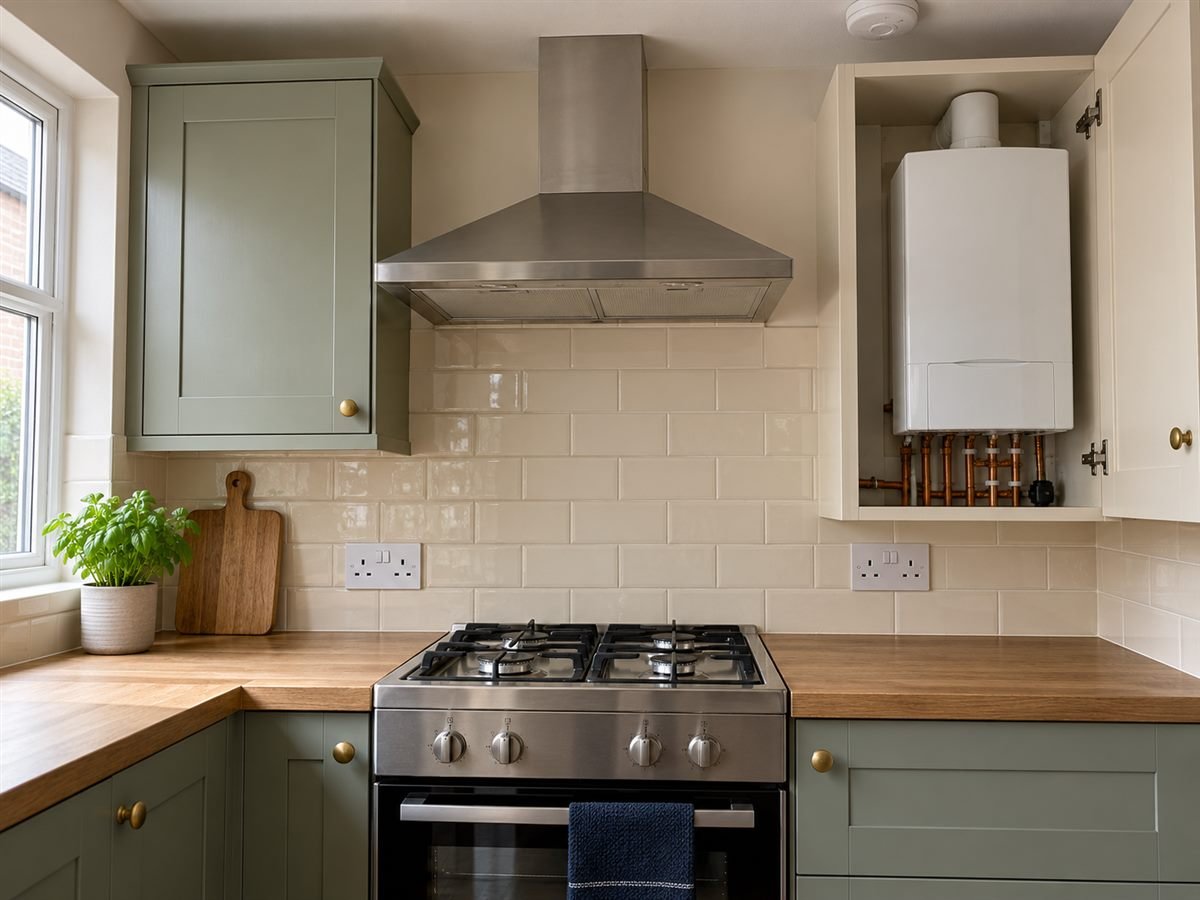
"Gas safety certificate" is also used for a building regulations compliance certificate, which a Gas Safe registered engineer gives when installing a heat-producing gas appliance, according to Gas Safe Register. This page is about the gas safety check record landlords need every year.

Key dates for a landlord's gas safety check

A landlord's gas safety check is due every 12 months, tenants get a copy of the record within 28 days of the check, and the landlord keeps the record for at least two years. HSE sets out the timings for landlords in Great Britain:

When What happens
Every 12 months Each gas appliance and flue the landlord provides must be checked
Up to 2 months before the due date The check can be done early and the original deadline still applies (England, Scotland and Wales)
Before a new lease starts The checks must have been done within the year before the lease date, and the new tenant gets the latest record before they move in
Within 28 days of the check Existing tenants get a copy of the record
At least 2 years The landlord keeps the record

Sources: HSE on what needs a check, the record and the early check.

Do I need a gas safety certificate?

Yes, if you rent out a property: the landlord must have a gas safety check done every year and keep the record. If you only live in your own home, the landlord duty does not apply to you, though HSE advises a regular check. Businesses have separate gas duties, covered in the commercial section below.

I am a landlord or letting agent

Yes. The check covers each gas appliance and flue a landlord provides, and must be done by a Gas Safe registered engineer. The duty is in regulation 36 of the Gas Safety (Installation and Use) Regulations 1998, as HSE explains. HSE counts anyone who lets a room to a lodger, or rents out the flat above their shop, as a landlord.

I own the home I live in

Not under the landlord rules, but HSE strongly advises a safety check on your gas appliances and flues at least once every 12 months, and servicing at least annually by a Gas Safe registered engineer. For more, see our guides on how often a gas safety check is needed and whether you need a gas safety certificate to sell a house.

What does a landlord need to do for a gas safety certificate?

A landlord needs a Gas Safe registered engineer, a yearly check on every gas appliance and flue they provide, a copy of the record for each tenant, and a record kept on file. In four steps:
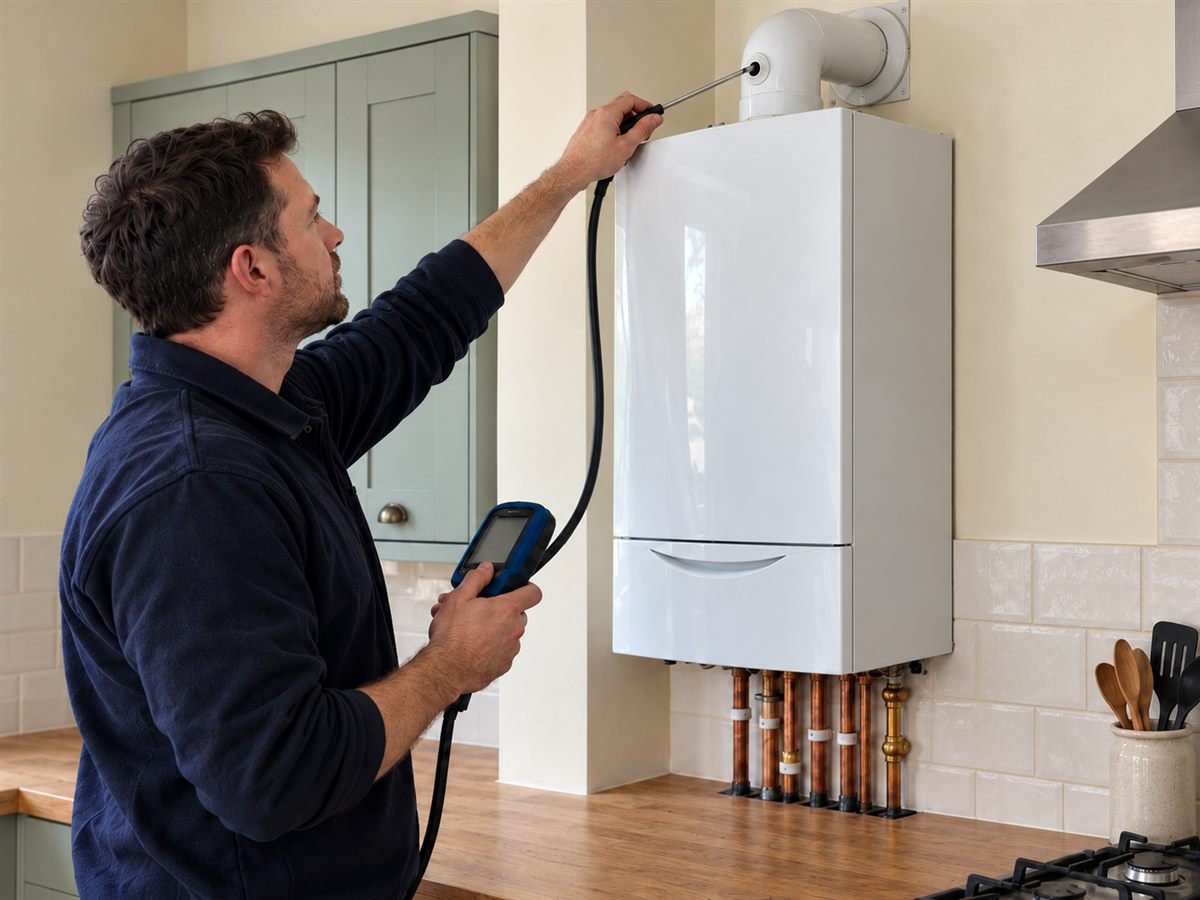
Gas Safe registered engineer inspecting gas appliances in a rental property
Regular gas safety checks help landlords maintain safe rental properties.
  1. Book a Gas Safe registered engineer before the due date.
  2. Have every gas appliance and flue you provide checked, and act promptly on any defect on the record.
  3. Give existing tenants a copy within 28 days, and give new tenants the latest record before they move in.
  4. Keep the record for at least two years.
Do the gas safety rules differ across the UK?

Yes. Every nation has an annual check, but the detail differs:

  • England: the tenant gets a gas safety certificate before they move in, and a new copy after each annual check GOV.UK.

  • Scotland: an annual check, with the record to tenants within 28 days or before a new tenancy Scottish Government.

  • Wales: the 1998 Regulations apply as the gas duty Welsh Government, so use the HSE rules above.

  • Northern Ireland: separate regulations, with an annual check by a Gas Safe registered installer and the record to the tenant within 28 days nidirect.

Can a landlord be fined or face prison for no gas safety certificate?

Yes. HSE says that a landlord who does not comply, including one with no gas safety certificate, could face a substantial fine and/or a custodial sentence. It gives no amount on that page. HSE also says the original landlord is still responsible for gas safety checks when a tenant sublets. If a tenant will not allow access, the landlord has to show they took all reasonable steps, and HSE inspectors look for at least three attempts to complete the check.

What happens if the check finds a fault?

If the check finds a safety-related defect, the landlord must take prompt action to correct it, according to HSE. Where an appliance may be dangerous or unsafe, HSE says it should not be used until the defect has been put right. The defect and any action taken are written on the gas safety record, and tenants get a copy within 28 days of the check.

Gas safety certificate for commercial property

Commercial premises have gas safety duties, but there is no single fixed “commercial gas certificate” on the HSE pages we checked. What the rules do set out:

  • HSE says that in workplaces such as shops, restaurants, schools and hospitals, work on gas fittings must be done by a Gas Safe registered engineer who is qualified for it, and the employer is responsible for checking that.
  • Employers must also keep gas pipework, appliances and flues regularly maintained.
  • The annual check HSE sets out for landlords also covers hotels and B&Bs (for any gas appliance serving guest accommodation), hostels, hotels, colleges and boarding schools.

Check your lease and your insurance policy for any extra requirement.

Tell us the type of premises and which gas appliances it has, and we will pass the enquiry on. Related guide: Do you need a gas safety certificate for a commercial property?

Boiler service and gas safety certificate: what is the difference?

A gas safety check is not a boiler service, though a landlord may want both. The difference, according to HSE:

Gas safety check Boiler service
What it is A check that each gas appliance and flue is safe to use Maintenance the manufacturer recommends
Who needs it Landlords, every year, under regulation 36 of the Gas Safety (Installation and Use) Regulations 1998 Anyone with gas appliances. HSE advises servicing in line with the manufacturer’s instructions
Your own home HSE advises a check at least every 12 months HSE advises a service at least once a year
Paperwork The gas safety check record (CP12) Ask the professional what comes with it

Sources: HSE on what needs a check, maintaining gas appliances and homeowners.

Landlord gas safety and electrical safety inspections

Do landlords need a gas safety certificate and an EICR?

Often both. A rental home usually needs a gas safety certificate and an EICR (the electrical safety certificate) and sometimes an EPC before letting. In England, GOV.UK says landlords must have the electrical installations in their rented properties inspected and tested at least every 5 years and give existing tenants a copy of the report within 28 days, while the gas check is yearly. CheckSorted takes one enquiry per service, so send one for each and note that they are for the same property. See all of our property safety services.

How much does a gas safety certificate cost?

There is no standard figure here, because CheckSorted does not set prices. The cost depends mainly on the number of gas appliances and flues. The size and layout of the property, how easy the appliances are to reach, where the property is, and any extra work such as a repair or a boiler service (quoted separately) also matter. Each participating independent professional gives their own quote, and the more detail you give about the appliances, the easier it is to price the job. Ask what the quote covers before you agree to it. Related guide: How much does a gas safety certificate cost?

How to get a gas safety certificate quote

You get a gas safety certificate quote by sending one enquiry through CheckSorted, in four steps:

  1. Tell us what you need Choose the property safety service required.
  2. Tell us where Enter the property postcode and relevant details.
  3. We match your enquiry CheckSorted identifies an appropriate participating professional covering the service and location.
  4. Discuss the job The professional contacts you about availability, price and the work required.

Gas safety certificate near me: where we are starting

We are starting in five towns and adding more areas as the network of participating professionals grows. Availability depends on the service required, the property location and the participating professionals.

To find a gas safety check near you, enter your postcode in the form and we will match your enquiry where we can.

Frequently Asked Questions

Where can I get a gas safety certificate near me?

Fill in the enquiry form with the property postcode and whether it is a rented home, your own home or business premises. CheckSorted passes your enquiry to a participating independent professional covering your area, who then contacts you.

Is it a legal requirement to have a gas safety certificate?

Yes, for landlords. Regulation 36 of the Gas Safety (Installation and Use) Regulations 1998 requires a landlord to make sure each gas appliance and flue they provide is checked every 12 months, and HSE sets out who is covered, including lodger and flat-above-a-shop cases. Businesses have separate gas duties, described above.

What does a gas safety check involve?

A Gas Safe registered engineer checks each gas appliance and flue the landlord provides and records the result. HSE says all permanent and portable gas appliances and flues in the property need the annual check, while an appliance a tenant owns is the tenant's responsibility. The record lists what was checked and where, the date, any safety-related defect and any action taken. The official pages we checked do not list the test steps, so ask the engineer what they will do on the day.

How long does a gas safety check take?

It depends on how many gas appliances and flues there are and how easy they are to reach. The participating professional can tell you what to expect when they contact you. For more detail, see our guide to how long a gas safety check takes.

Can I keep the gas safety record on a computer?

Yes. HSE says a landlord can store the record electronically if the copy can be printed when needed, is secure from loss and clearly identifies the Gas Safe registered engineer who did the check. Tenants can get an electronic copy if they are happy to receive it and can open it, but must be given a paper copy if they ask for one.

Send your gas safety enquiry

Tell us what you need and where the property is.

Request a quote